
Best Creatine Sachets for Everyday Performance
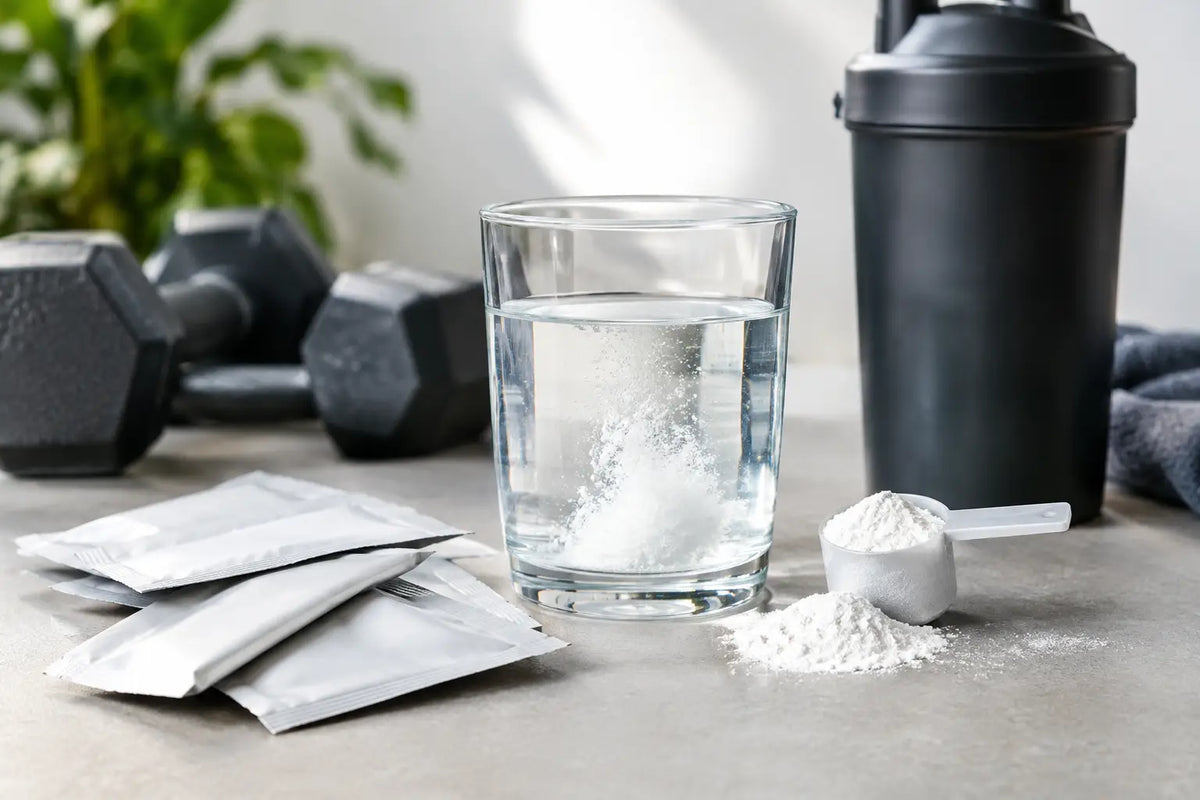
A tub at the back of the pantry is not a routine. If measuring powder feels like another job, it is easy to skip - especially on early starts, office days and weekends away. The best creatine sachets make the habit lighter: one serve, clear ingredients, good flavour and no scoop rolling around the bottom of your gym bag.
Creatine is often treated like it belongs exclusively in a weight room. It does not. For active people, it can be a practical addition to a consistent routine that already includes moving well, eating enough and recovering properly. A sachet format simply removes some of the friction.
What makes the best creatine sachets?
The best option is not automatically the one with the longest ingredient list or the loudest promise on the pack. It is the product you will use consistently, with a formula that suits when and how you move through your day.
Start with the creatine itself. Creatine monohydrate is the form most commonly used in research and the one to look for if your goal is a straightforward daily creatine habit. A typical daily serve is 3 to 5 grams. Check the nutrition panel rather than relying on front-of-pack language: some blends mention creatine prominently while providing less than a full daily amount per serve.
Then look at the whole sachet. If it is flavoured, ask whether you genuinely want to drink it every day. If it includes hydration ingredients, consider whether they make sense for your training, sweaty commute or warm-weather routine. If it is designed for the evening, choose ingredients that fit that moment rather than turning your wind-down drink into another high-energy ritual.
Convenience counts too. Single serves should be easy to throw in a work tote, beach bag or carry-on. They should mix without leaving a gritty layer at the bottom of your glass, and the serving size should be obvious. Open. Mix. Done.
The dose matters more than the drama
Creatine works best as a regular habit, not a once-in-a-while pre-workout extra. That is why a clearly labelled daily dose matters more than complicated timing rules.
For most people, taking creatine around the same time each day is a simple way to stay consistent. Have it with breakfast, after a gym session, during your afternoon water break or alongside dinner. The exact moment is less important than finding one that happens most days.
You may see loading phases promoted online, where a higher amount is taken for several days before moving to a standard dose. This can raise muscle creatine stores more quickly, but it is not essential. A steady daily serve is the lower-fuss approach, and for plenty of people, fuss is what ends the habit.
If you are pregnant, breastfeeding, managing a medical condition or taking medication, speak with a doctor or dietitian before adding creatine to your routine. The same applies if you are unsure whether creatine suits your personal goals.
Don’t confuse a packed formula with a better one
A blend can be useful when each ingredient has a clear role. Hydration minerals may suit a daytime sachet used around exercise or active days. Magnesium glycinate may make sense in an evening formula for someone who wants a calmer nightly routine.
But more is not always more. Be wary of proprietary blends that do not show individual amounts, excessive stimulant combinations, or formulas that try to cover energy, focus, fat loss, recovery and sleep in one drink. A good sachet should tell you exactly what is in it and why it is there.
If you already use electrolytes, magnesium or a pre-workout, take a minute to compare labels. Overlapping ingredients are not automatically a problem, but doubling up without noticing is not particularly useful either.
Flavour is not a superficial detail
If you have ever forced down a chalky shake, you already know this. Flavour has everything to do with consistency.
Creatine itself can have a mild, slightly grainy taste, especially when mixed in plain water. Flavoured sachets can make the experience far more enjoyable, but preferences are personal. Bright fruit flavours tend to work well cold and around training. Softer, less sharp flavours may feel more natural later in the day.
Consider where you will actually drink it. A crisp Pineapple Mango or Blue Raspberry-style drink can feel right after a lunchtime class, on the drive to the gym or at your desk with plenty of ice. A Tart Cherry Vanilla profile can make more sense after dinner, when you want something calmer than another citrusy sports drink.
The best test is simple: can you imagine drinking it on an ordinary Tuesday? Not only after your best session of the week. If the answer is yes, you have found a far more useful product than something that looks impressive but stays unopened.
Day sachets versus night sachets
There is no universal best time to take creatine. Still, a day or night format can help a routine feel more intentional.
A daytime creatine sachet is a natural fit if you train before work, fit movement into your lunch break or need a refreshing drink that is more purposeful than plain water. A formula with creatine and hydration-focused ingredients can suit active days, particularly in the Australian heat or when your sessions leave you properly sweaty.
A night sachet has a different job. It is not about sleep, and it is not a promise of anything overnight. It is about putting your daily creatine serve into an evening ritual you already enjoy. If the formula includes a considered ingredient such as magnesium glycinate and a flavour that feels more like a wind-down drink, it may be easier to remember after dinner than during a busy morning.
KREYT approaches this split with the Energy line (Peach Iced Tea, Blue Raspberry and Pineapple Mango) for training, work and everyday movement, and a Night formula, coming soon, built around an evening routine. It is a useful reminder that creatine does not need to look like a black tub to be effective in real life.
Sachets have trade-offs - and that is fine
Single-serve sachets are not automatically the right choice for everyone. A larger tub of unflavoured creatine is often cheaper per serve, creates less individual packaging and gives you flexibility to add it to smoothies, yoghurt or your usual drink. If you are happy with a scoop and use it without fail, that may be the sensible option.
Sachets earn their place through ease. They remove measuring, travel neatly and make portioning straightforward. For someone who trains at different studios, works from a shared office, travels often or simply dislikes supplement clutter on the kitchen bench, that can be worth paying for.
There is also the question of ingredients. A plain product offers complete control. A flavoured sachet offers a more enjoyable experience but may include sweeteners, acids, vitamins or minerals you do not need. Neither is inherently better. Choose based on what helps your routine, your preferences and your budget.
How to choose without overthinking it
When comparing creatine sachets, use a short checklist. Look for a disclosed 3 to 5 gram serve of creatine monohydrate, straightforward labelling and a flavour you will realistically enjoy. Then decide whether you want pure creatine or a formula with purposeful extras, such as hydration support for the day or magnesium for the evening.
It is also worth checking how the powder mixes. You do not need a shaker bottle for every product, but you should be able to stir it into cold water without a lumpy mess. Keep in mind that some creatine may settle if it sits for a while. A quick second swirl solves that.
Finally, think about your actual week. The best product for a 6 am strength session may not be the best product for a Pilates class followed by a full day at work. A sachet that fits your schedule, tastes good cold and travels easily has a better chance of becoming part of your routine.
Creatine does not need to be complicated, intimidating or saved for people chasing a bodybuilding look. Choose a format that feels good in your hands, fits your day and makes consistency feel almost automatic. That is the kind of performance habit worth keeping.
KREYT is a Formulated Supplementary Sports Food. Not suitable for children under 15 years of age or pregnant women. Should only be used under medical or dietetic supervision. This article is general information, not medical advice.